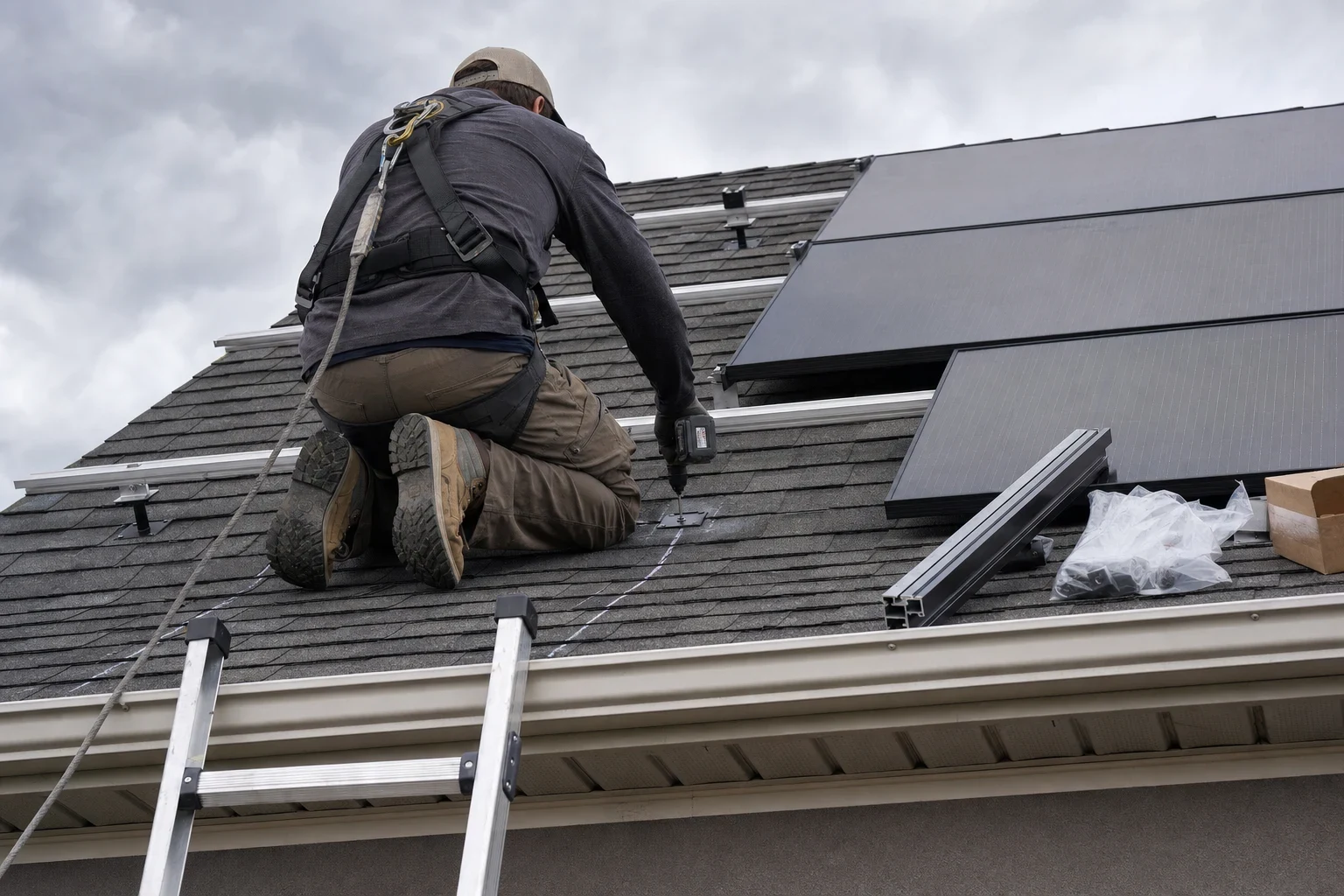
Solar for Your Centerville Home, Planned and Budgeted Ahead
We design and install solar panels and battery storage for homeowners in Centerville, Bountiful and Farmington. We start from your actual utility bills, size the system to what your home uses, and show the costs in writing. You can decide on a schedule that suits you, not in a rush.
- Free solar savings analysis
- $0 up front
- Written line-item quotes
- Virtual appointments available
Why Homeowners Plan Solar With Us
Solar works best when it is planned before a rate change or a high summer bill forces the decision. Here is how we keep the planning clear.
Sized from your real usage
We read twelve months of your utility history, not a single bill. Usage swings with air conditioning in July and furnace blowers in January, and a system sized from one month will be too big or too small.
Every part priced separately
Your quote breaks out the modules, inverter, racking, electrical labor, permit fees and any panel upgrade. That makes it easy to see where the money goes and to compare our number fairly against another.
Your electrical panel checked first
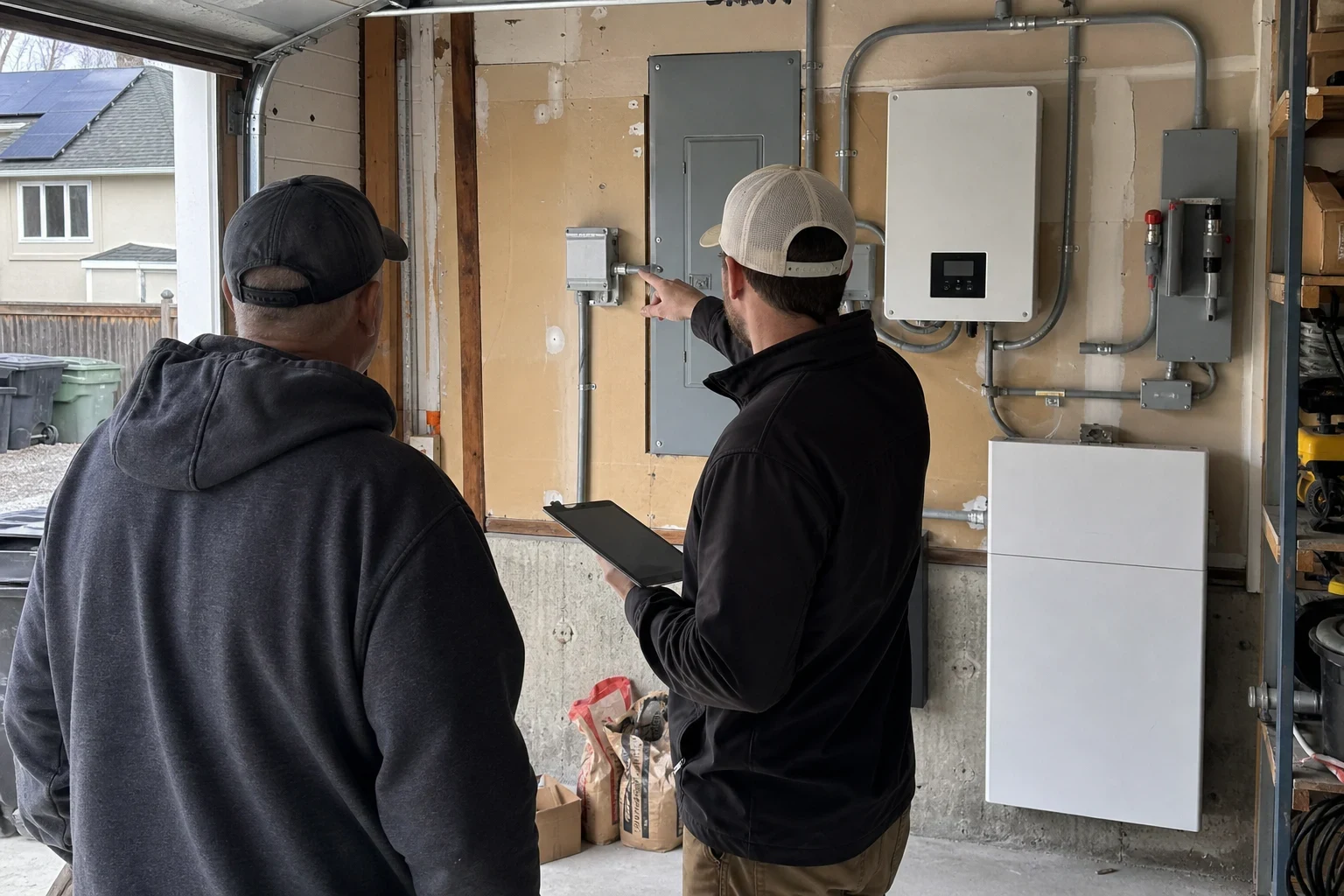
We check the busbar rating and main breaker on your service panel before quoting. If the panel cannot safely accept the solar backfeed, you hear about it at the start, not on install day.
Built to grow
If a battery or an electric vehicle is a few years off, we can pick an inverter and leave conduit space so adding it later costs less and disturbs less.
A straight answer on fit
Heavy shade or very low usage can make solar a poor investment. When the numbers do not work for your home, we say so.
Solar and Storage Services for Your Home
Most of our work is solar panel installation and battery storage, designed together so the inverter, wiring and main service panel can handle both now or later. Solar System Add-Ons covers upgrades to a system you already own, and Solar Panel Repair has its own page with details. We are licensed in all states served. Every installation we complete is backed by a lifetime warranty on installation work.
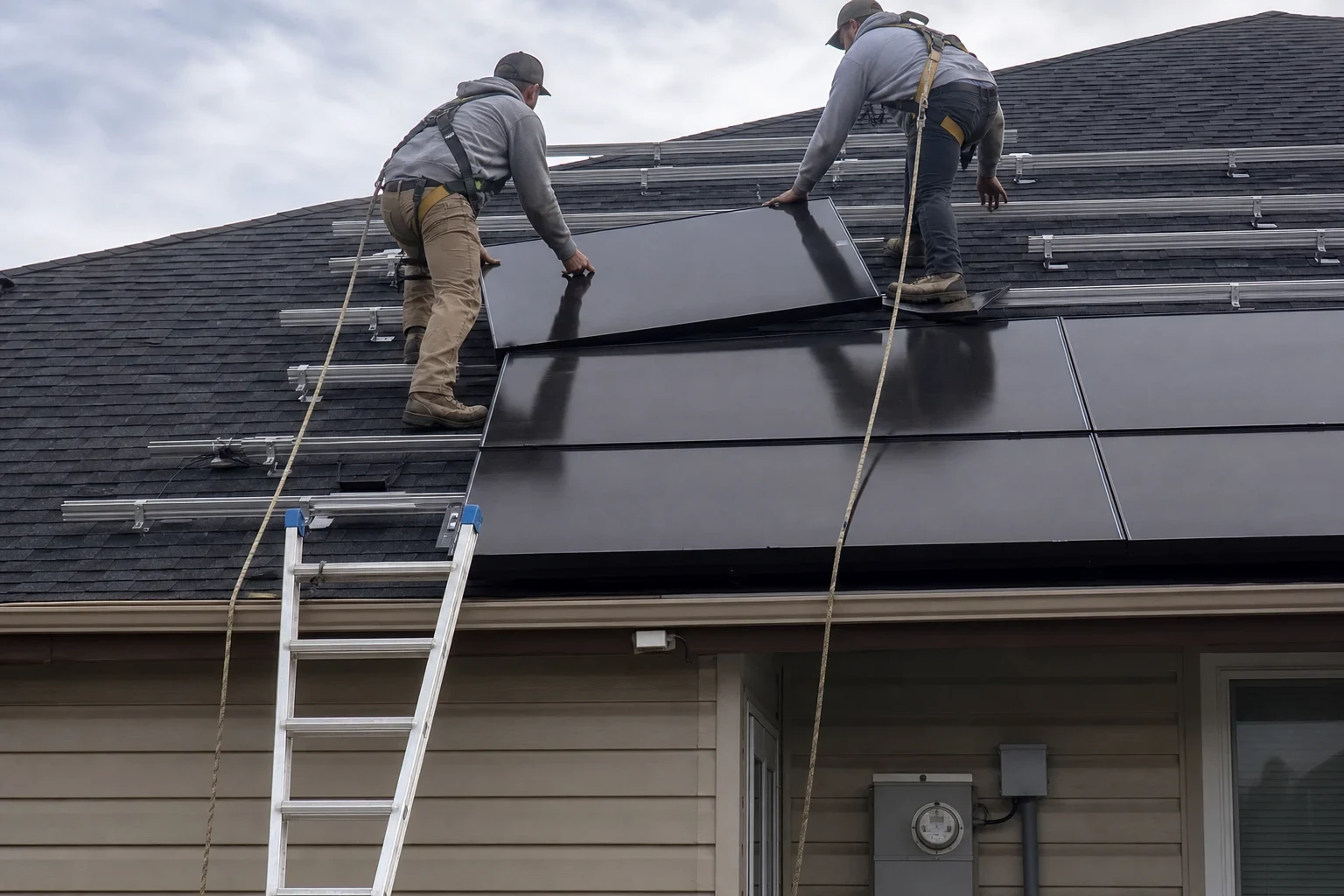
Solar Panel Installation
Roof-mounted panels on your home, sized from a year of utility bills, with wiring planned so a battery fits later.
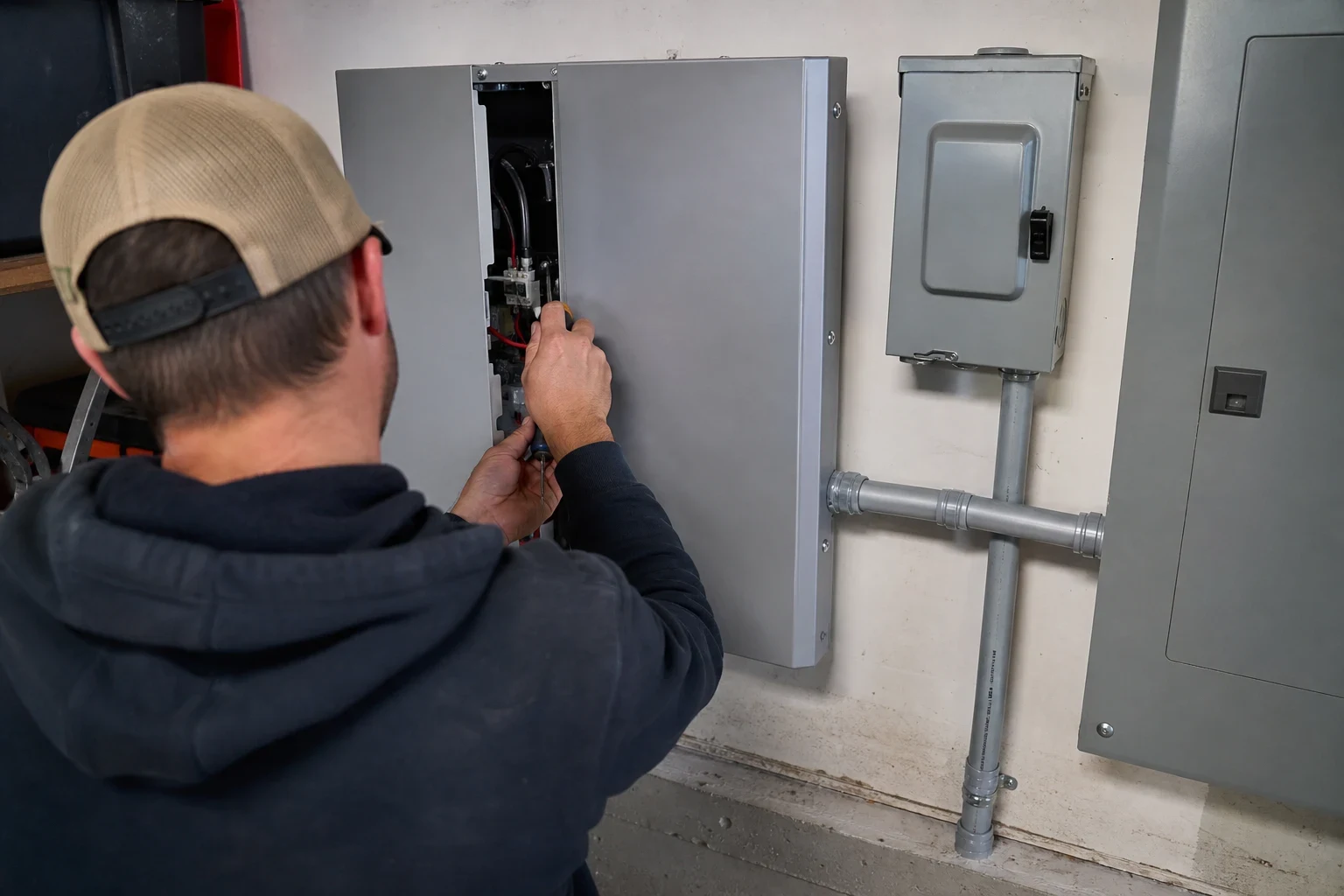
Battery Storage
Lithium iron phosphate batteries sized to the circuits you actually need, wired for backup and for storing midday solar to use after sunset.
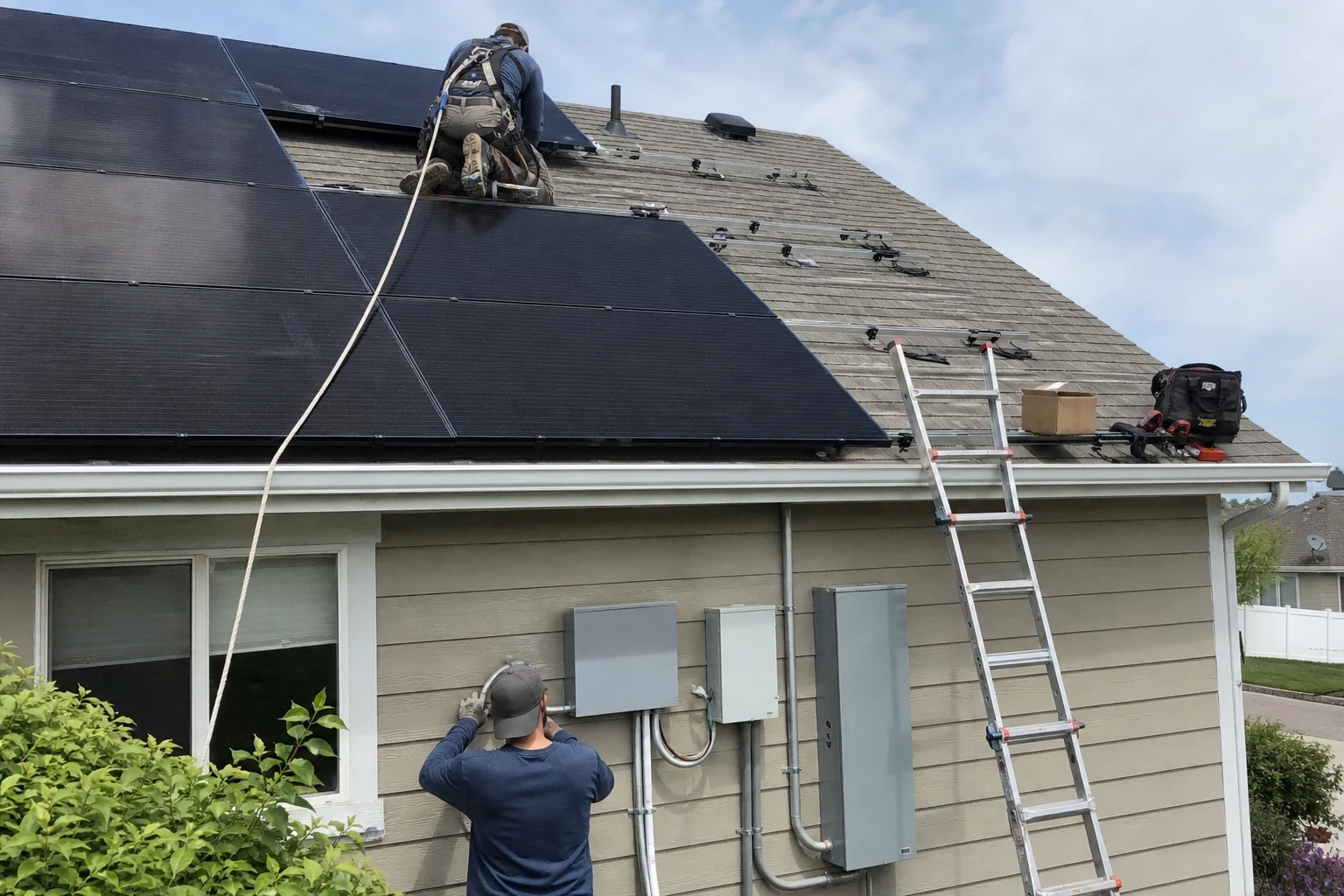
Solar System Add-Ons
Add panels, an EV charger, better monitoring or a panel upgrade to your existing solar, sized to the loads you expect over the next few years.
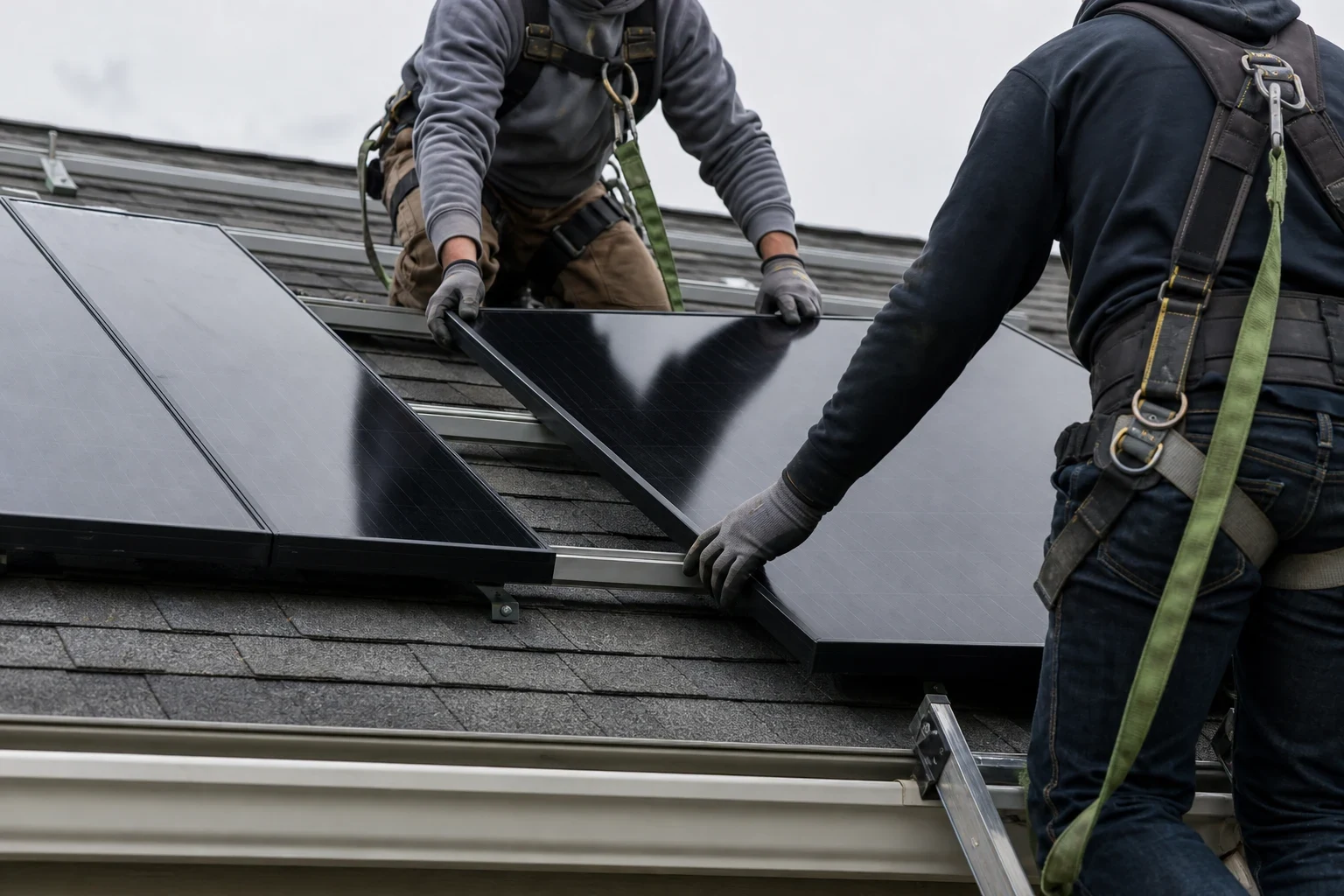
Solar Panel Repair
We trace the cause of falling solar production, from a tripped inverter to a cracked module, and give you a written plan to fix it before the losses add up.
A Solar Company That Plans First
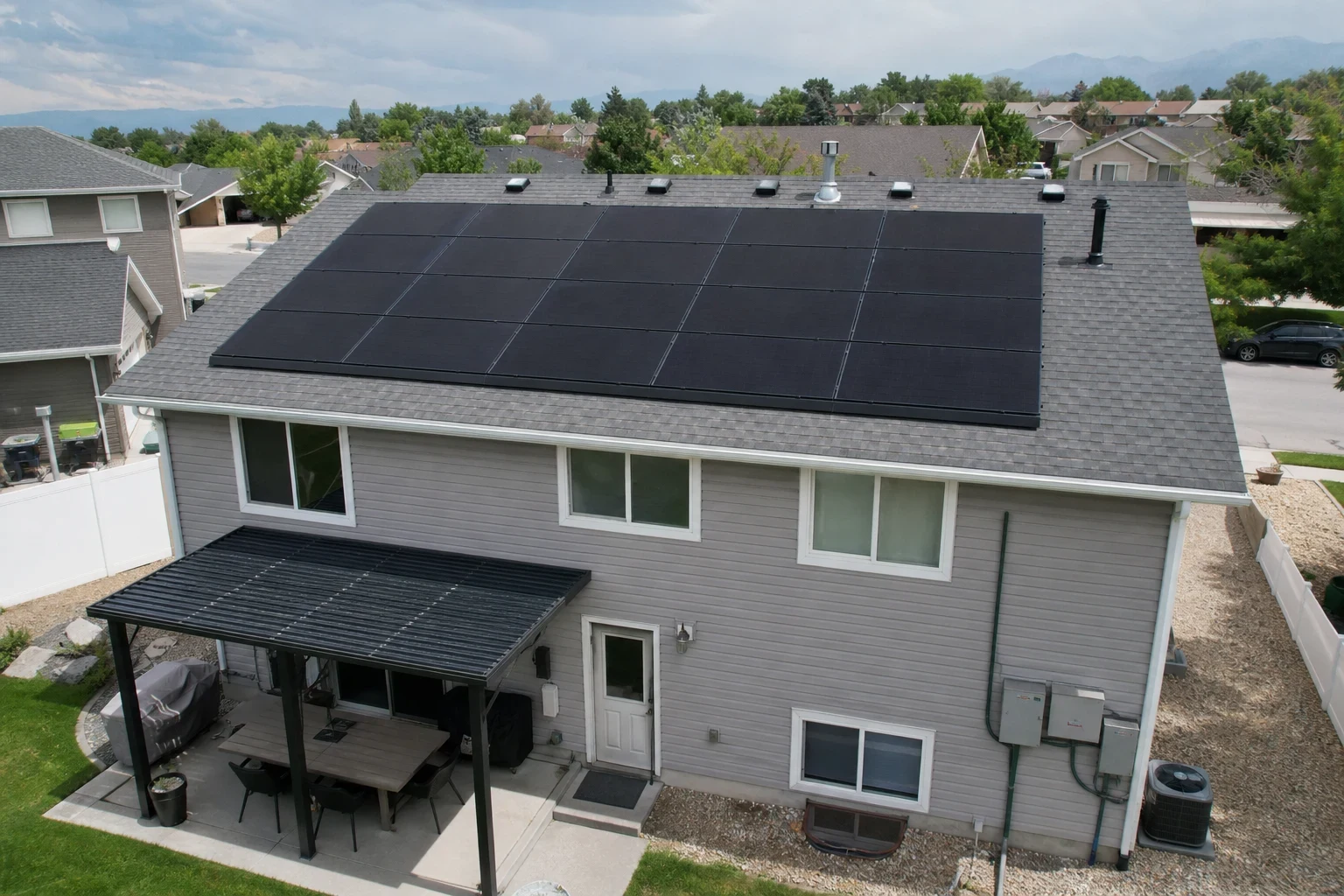
Solar Installation Centerville designs and installs home solar and battery systems for homeowners across Davis County and nearby. We think the best time to go solar is before a rate increase or an aging electrical panel makes the decision for you, so most of our work is helping people plan.
That means doing the math in the open. We show you how much power the array should make in a short December day and in a long June afternoon, and how exports are credited under current utility rules. We list every component by name, so you know what is on your home and why it was chosen.
- License
- Licensed in all states served
- Warranty
- Lifetime warranty on installation work
What Moves the Price of a Solar System
Each quote is built from your own usage, your service panel and the layout of your property, so neighbors can end up with quite different numbers. The factors below account for most of that difference. We also offer $0 up front, which lets you put the work on the calendar without saving for a large deposit first.
We start with your free solar savings analysis and follow it with a written quote drawn from your usage and site. Those numbers stay put unless you choose to change the design.
- Array size
- How many modules you need comes from your yearly kilowatt-hour use and the share of it you want covered. Each added panel brings more racking, wire and labor with it.
- Choice of inverter
- Microinverters mount behind each module, so shade on one panel does not drag down the rest. A string inverter is cheaper per watt but runs the whole string as a single unit. A hybrid inverter is designed to pair with a battery.
- Your service panel
- Many older panels have a 100-amp bus that cannot accept a solar breaker within code limits. Fixing that may mean derating the main breaker or upgrading the panel, and we put that cost in writing before you agree to anything.
- Adding a battery
- Storage adds the battery unit, a critical loads subpanel if you want certain circuits backed up, and more wiring. Most of that cost follows the capacity you pick.
- Wire runs and shade
- The distance between the array and your service panel decides how much conduit and wire we need, and trenching or long runs take more labor. Trees and nearby buildings that cast shade change how many modules are worth putting in.
- Permit and utility fees
- The city building permit and the utility interconnection application each come with fees and forms. We file both and list them as their own lines in your quote.
Where We Install
We work in Centerville and the towns along the Wasatch Front around it, including Bountiful, Farmington, North Salt Lake, Woods Cross, West Bountiful and Kaysville. We also install in Fruit Heights, Salt Lake City, Layton and Clearfield.
- Centerville
- Bountiful
- Farmington
- North Salt Lake
- Woods Cross
- West Bountiful
- Kaysville
- Fruit Heights
- Salt Lake City
- Layton
- Clearfield
If your town is not listed, ask during your free solar savings analysis and we will tell you whether we can take the job.
How a Solar Project Runs
Much of the work is paperwork and design that happens well before a crew arrives. This is the sequence, so you can plan your calendar around it.
- 1
Savings analysis by phone
You walk us through your utility history and goals on a call or in a free virtual appointment. From that we estimate yearly production, the share of your use it would cover, and whether storage is worth adding.
- 2
Site review and system design
We check where the array will go, what shades it and how your service panel is set up. Then we draw the layout and the electrical one-line diagram and send a written quote you can study at your own pace.
- 3
Permit and interconnection approvals
We put together the permit plan set, follow it through city review and file the utility's interconnection forms. Expect this to be the slowest stretch, and expect a call from us each time an approval advances.
- 4
Installation
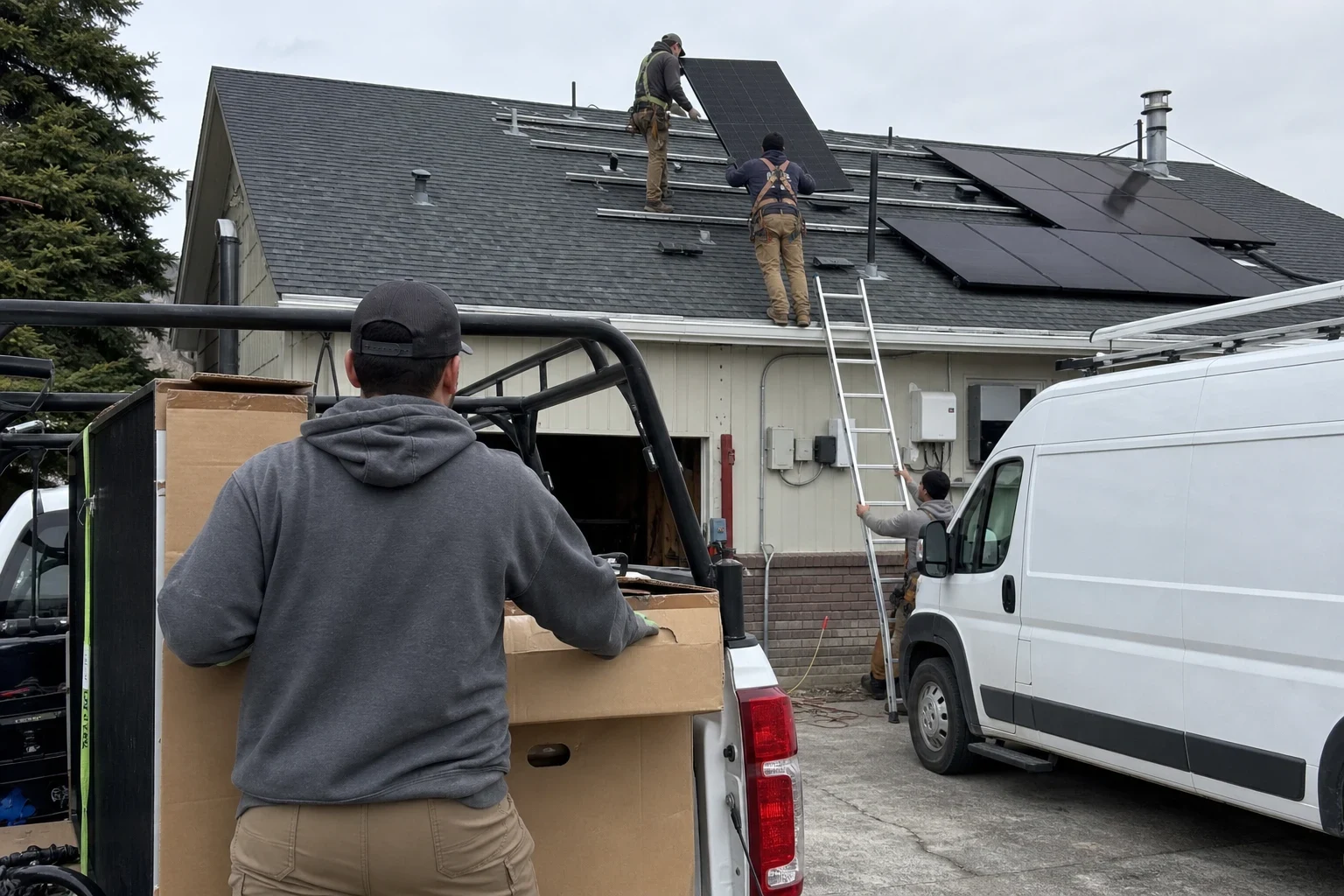
The crew sets the racking and modules, mounts the inverter, rapid shutdown gear and disconnects, and runs conduit to your panel. Boxes, cut wire and other debris go with us at the end of the day.
- 5
Final sign-off and startup
After the city inspection passes, the utility grants permission to operate. We switch the system on with you present and show you how to follow its output in the monitoring app.
Questions Homeowners Ask Before Going Solar
What does $0 up front mean for me?
It means you can start your project without putting down a large deposit. Your written quote spells out the payment structure and what each line covers. We walk through those numbers with you on the phone before anything is signed.
Does solar still pay off in Utah now that export credits are lower?
The utility now credits the power you send back to the grid at a lower rate than the power you buy. That makes it more important to size the system to your own usage and use as much of its output at home as you can. Our savings analysis models this using your actual bills, so the estimate reflects current rules.
Is a battery worth adding?
A battery stores daytime solar for evening use, when you would otherwise buy power at the full rate. It can also keep selected circuits like the refrigerator and furnace blower running during an outage. Whether it pays off depends on your usage pattern, and we show both options side by side.
What warranties come with the system?
All solar and battery products carry a 25-year warranty. Your paperwork names each component, so you can see exactly what that coverage applies to.
How do panels handle winter snow and short days?
Production drops in December and January because the sun is lower and days are shorter, and snow on the modules stops output until it slides or melts off. Summer production makes up for it over the year. Our estimates use annual figures, so the winter dip is already built in.
How long does the whole project take?
Install day itself is usually short. Most of the time goes to permit review and utility approval, which depend on the city and the utility's workload. We give you a realistic timeline with the quote and update you as each approval comes back.
Can I add a battery or more panels later?
Yes, and planning for it now makes it easier. We can choose an inverter and leave panel and conduit capacity for a future battery or expansion. Bring it up during your savings analysis.
Do you have a referral program?
Yes. You can earn $1,000 for every referral that goes solar. When a neighbor or friend calls, have them mention your name.
Start Planning Your Solar Now
Gather a year of utility bills and give us a call. We will walk through your usage, the right system size, and what it would cost, with no pressure to decide that day.