ServicesSolar System Add-Ons
Solar System Add-Ons in Centerville
Your power use rarely stays where it was when your solar went in. A new EV, a heat pump or a hot tub can outgrow the array. We size add-ons to the loads you expect next, so your system keeps covering your bill instead of falling behind it.
What a Solar Add-On Is and When It Makes Sense
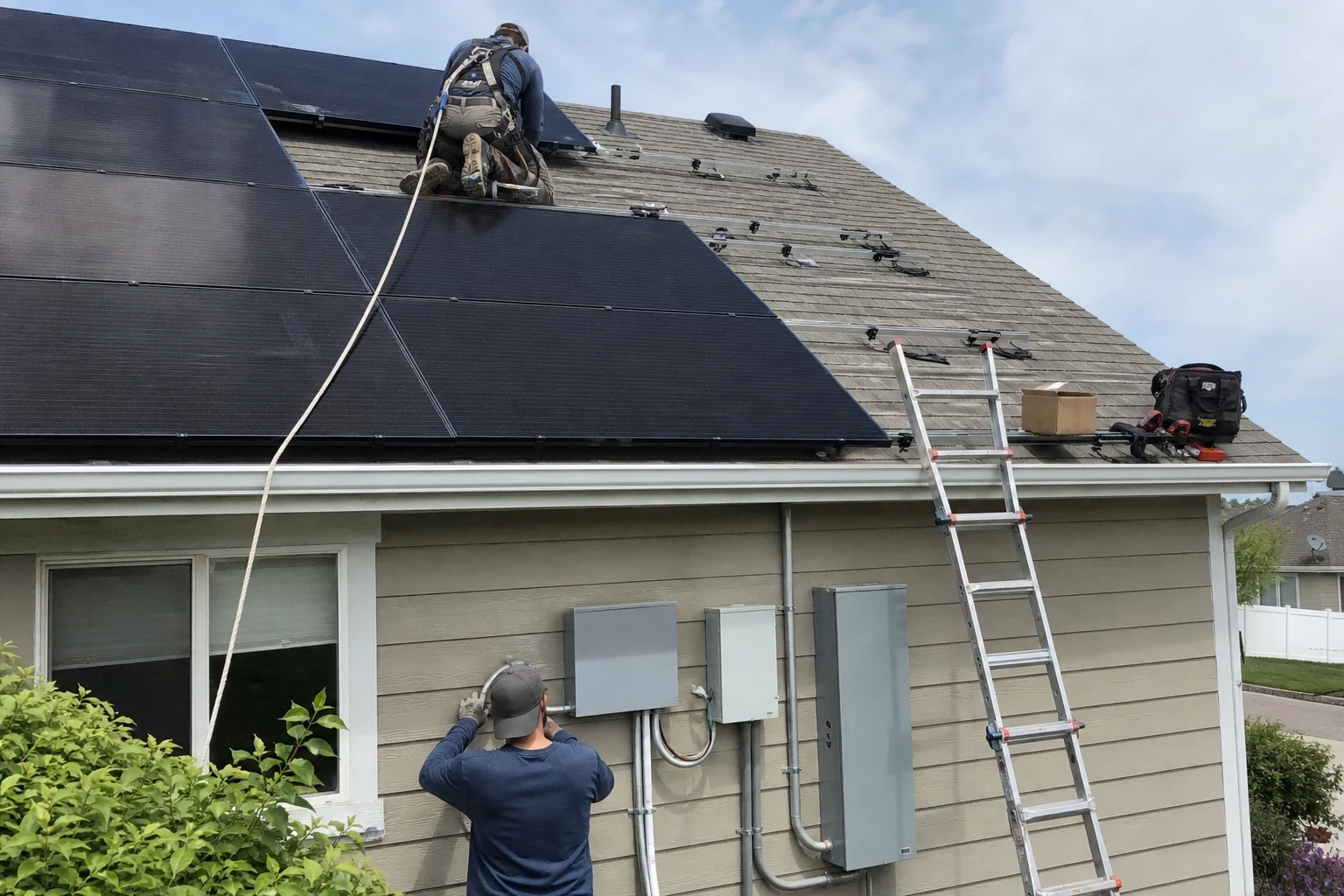
An add-on is any equipment that extends a working solar system: more modules on a new or extended ground array, a Level 2 EV charger, consumption monitoring, a smart load controller or a main service panel upgrade. Each one changes how much power your home makes or uses, so each one has to fit the inverter, wiring and interconnection you already have.
The best time to plan an add-on is before the new load arrives. If you know an electric vehicle is coming next spring, we can check whether your inverter has headroom, whether your 100-amp or 200-amp panel can take a 40- or 50-amp breaker, and whether the utility needs an updated interconnection agreement. Sorting that out early lets you budget for it in one step instead of paying for a rushed fix later.
Planning ahead also protects your savings. Power your panels export is credited at a lower rate than power you buy, so matching production to your own daytime use is worth more than simply adding capacity.
Add-Ons We Install
- System expansion
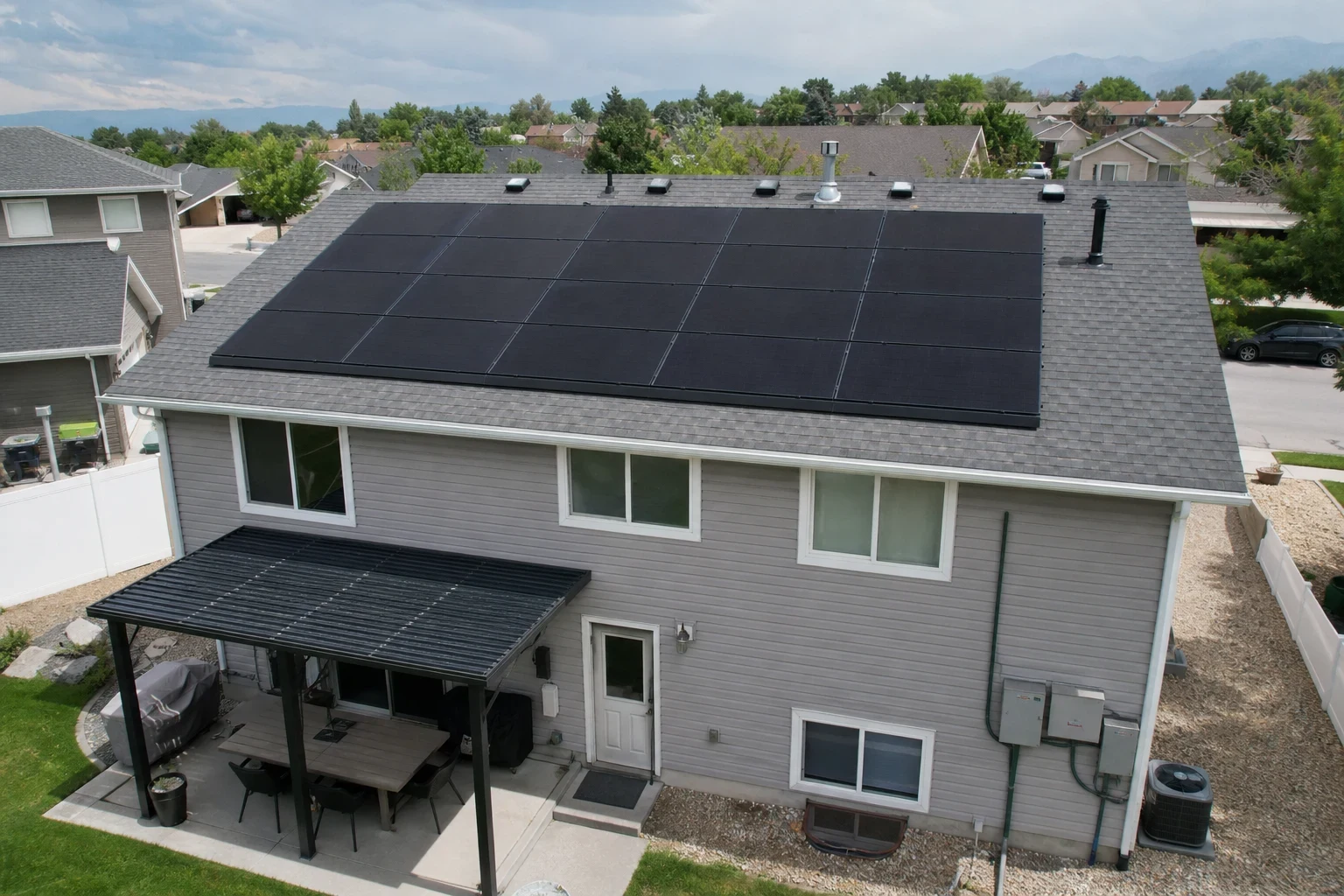
- We add modules to grow production, matching the new panels to your existing inverter type. String inverters have fixed input limits, while microinverter and optimizer systems can usually grow one module at a time.
- EV charger installation
- We install a Level 2 charger on a dedicated circuit and run the load calculation first. Many chargers can be scheduled to draw power during your solar production hours.
- Consumption monitoring
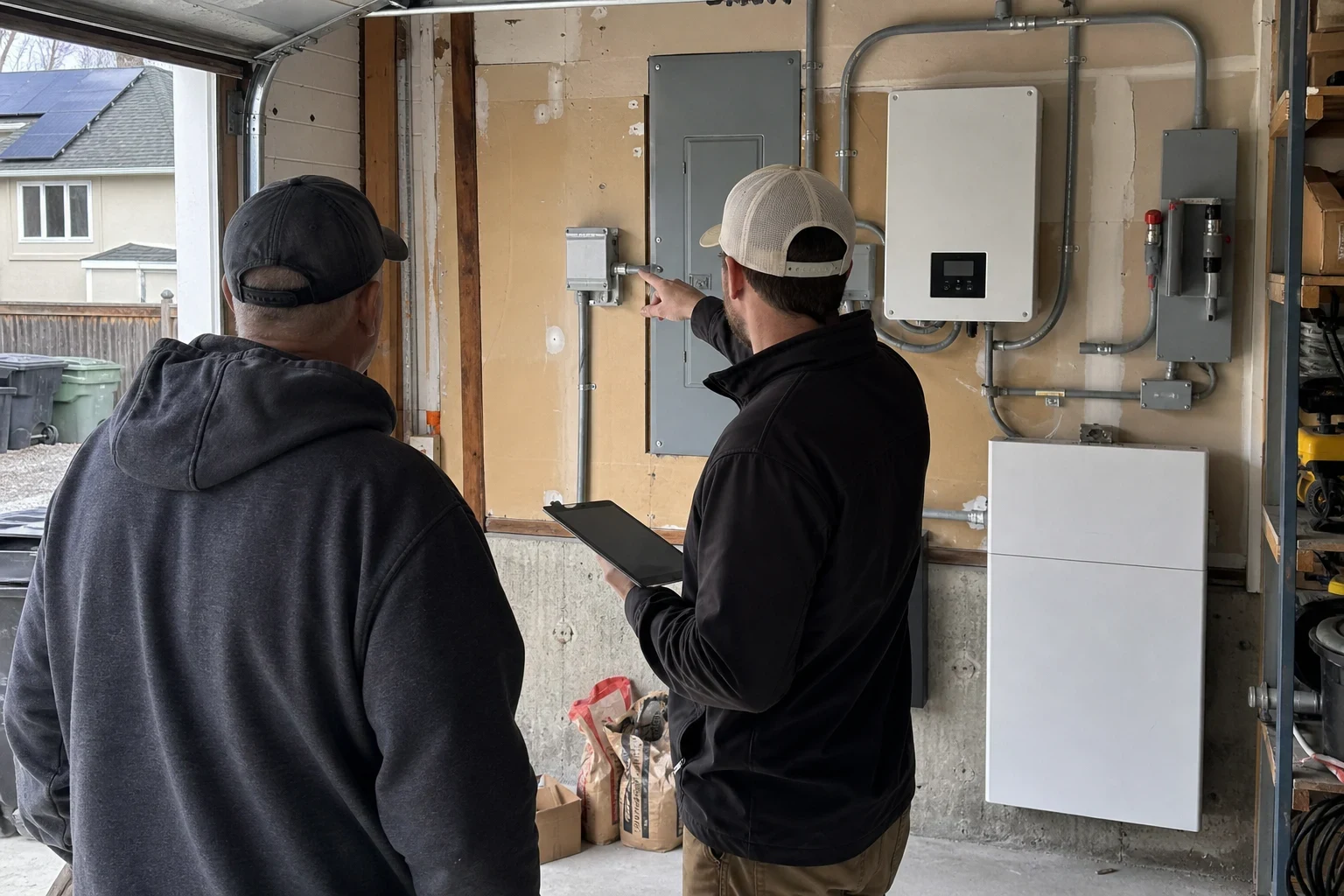
- Many older systems only report what the panels produce. Adding current transformers on your main feeders shows what your home actually uses, hour by hour, which is the data you need before sizing anything else.
- Main panel upgrades
- If your service panel is full or its busbar rating limits how much solar can back-feed it, we upgrade the panel so new circuits and added production stay within code.
- Smart load control
- A smart panel or load controller can shed or delay big loads like a dryer or water heater, letting you add an EV charger without upsizing your utility service.
- Battery-ready preparation
- If storage is in your future, we can set up the wiring and space now so adding a battery later is simpler. Our Battery Storage page covers the battery itself.
When Your System Is Ready for an Add-On
Bills are rising again
When production looks steady but your utility bill keeps going up, your home probably now uses more than the array was designed to cover.
New electric demand is on the way
An electric vehicle, heat pump, pool pump or finished basement all add ongoing demand. Planning the add-on before you buy saves you a season of higher bills.
Your usage is invisible
An app that reports only production leaves you guessing about your home's consumption. Consumption monitoring fills in that missing half.
No breaker slots are left
A panel with every slot taken, or tandem breakers added to squeeze in space, tells you the next circuit will call for a panel upgrade or load management.
Your inverter is maxed out
If the inverter keeps hitting its output ceiling on sunny summer afternoons, more panels without new equipment will add very little.
What Sets the Price of an Add-On
The cost of an add-on depends on how much your current system can take on. Putting a charger on a panel with spare capacity is a quick job, but the same charger on a full 100-amp service may require a panel upgrade first. Your written estimate states which case applies to you.
Fit with your inverter
When the current inverter has no room for more input, expanding means a second inverter or a replacement. Systems with microinverters skip most of that expense.
Room in your electrical service
Your panel's size, busbar rating and free breaker slots determine whether new loads fit now or call for an upgrade or a load controller.
Run length and digging
Equipment placed farther from the main panel needs more wire and conduit. Underground runs out to a ground array also require excavation.
Finding matching parts
The panels used in your original install may be discontinued. Picking compatible modules with close voltage and current ratings can change what the equipment costs.
Permits and utility rules
Some add-ons require only an electrical permit. Expansions that increase export capacity also require an updated interconnection with the utility.
How an Add-On Project Runs
- 1
Usage and equipment review
First we look at twelve months of your utility bills, any monitoring data you have, and the model numbers on your inverter and service panel. Those details show how much headroom your system has left and which component sets the limit.
- 2
Written plan and estimate
Next you receive a line-item estimate covering each piece of equipment, any electrical upgrades, and the permit and utility steps involved. When an add-on won't pay off for the way your home uses power, we say so plainly.
- 3
Permits and utility paperwork
Before any work begins, we pull the electrical permit and take care of whatever interconnection update your utility requires.
- 4
Installation day
Most add-ons need a day or less on site. Your home loses power only while we work in the panel, and you'll know that window ahead of time. Wire scraps, packaging and trenching spoil leave with us.
- 5
Final check and handoff
Once the inspector signs off, we energize the new equipment and verify it shows up correctly in your monitoring app. Then we go over what changed and what to watch for in your production and usage numbers.
Questions About Adding to Your System
Can you expand a system another installer put in?
Usually. We will ask for the model numbers of the inverter and modules, plus the original permit details if you still have them. The key question is whether the current inverter can handle more, and we settle that in our review before giving a price.
Could an EV charger overload my electrical panel?
Not when it is planned properly. We start with a load calculation on your panel. If there is little room left, a smaller circuit, a smart load controller or a panel upgrade takes care of it, and we walk you through the pros and cons of each.
Should I add more panels or a battery?
That comes down to the time of day you use power. If you use most of it during daylight and new loads pushed your bills up, extra panels tend to help more. If you send a lot to the grid at midday and buy it back at night, a battery may suit you better.
Is a permit required for add-ons in Centerville?
Yes for electrical work such as a new circuit, a panel upgrade or more production, which all need a permit and an inspection. We obtain the permit, book the inspection and take care of the utility forms if your export capacity changes.
Is financing available for an add-on?
Yes, we have $0 up front options. We cover which one suits your project over the phone and in the written estimate.
Plan Your Next Add-On Before the Bills Do It for You
Tell us what is changing at your home, and we will check your system's headroom and outline the right add-on. Serving Centerville, Bountiful, Farmington, Kaysville and nearby.